MILWAUKEE — The next generation of cancer care is increasingly being shaped by collaboration across specialties, hospitals and national borders. In Milwaukee, an international group of physicians is bringing together clinical experience from the United States and Europe while focusing on several important areas of cancer research.
The research program encompasses immunotherapy for Hodgkin lymphoma, advances in multiple myeloma treatment, the management of bone metastases, and mobile-health technology for breast-cancer patients.
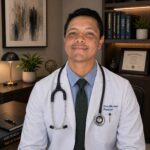
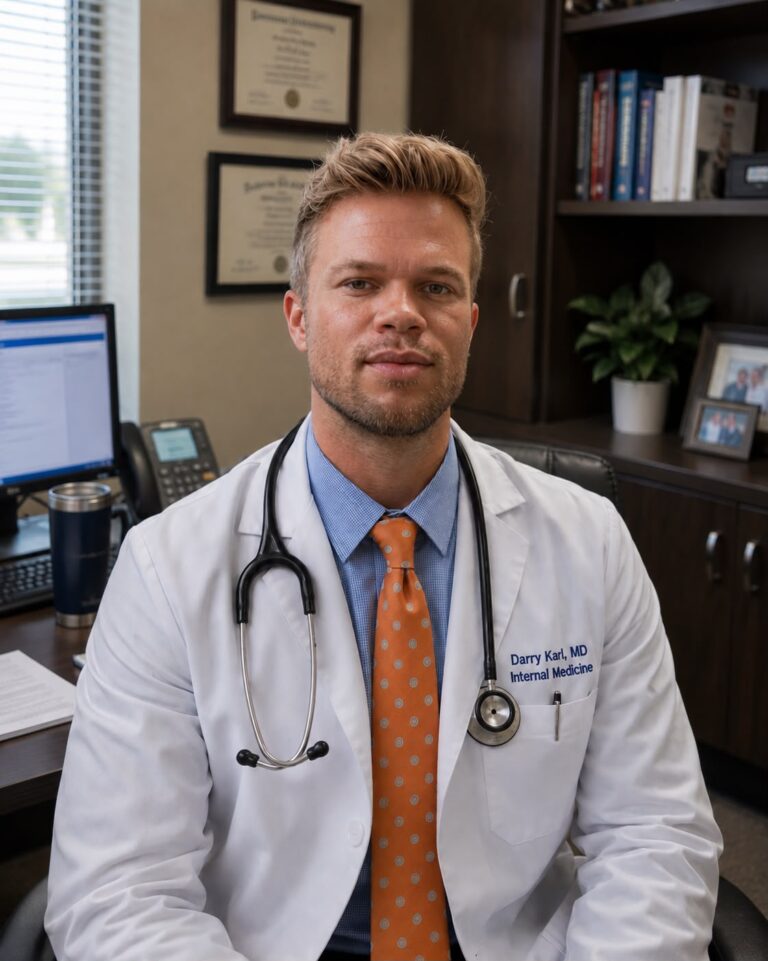
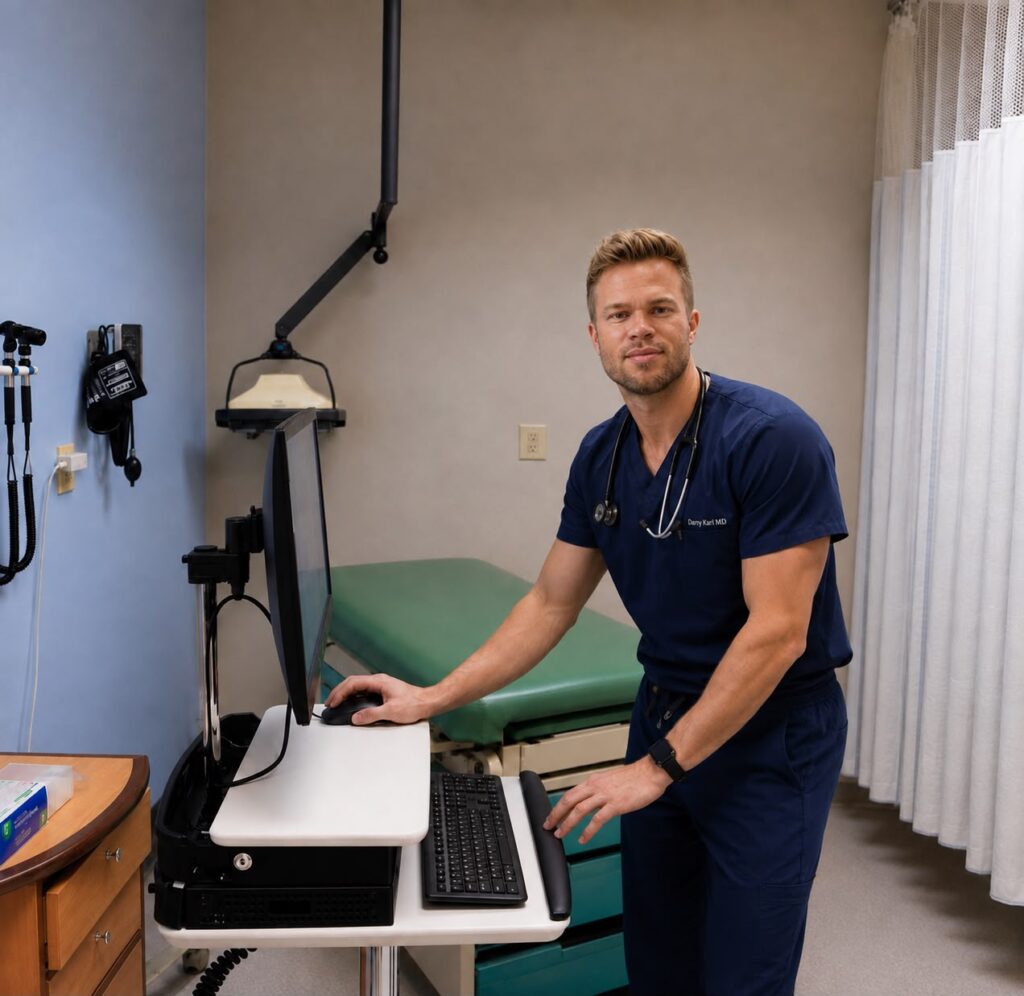
At the center of the three-month research assignment is Dr. Darry Karl, a 40-year-old physician from Stockholm, Sweden, who joined the team as a temporary freelance physician and research collaborator.
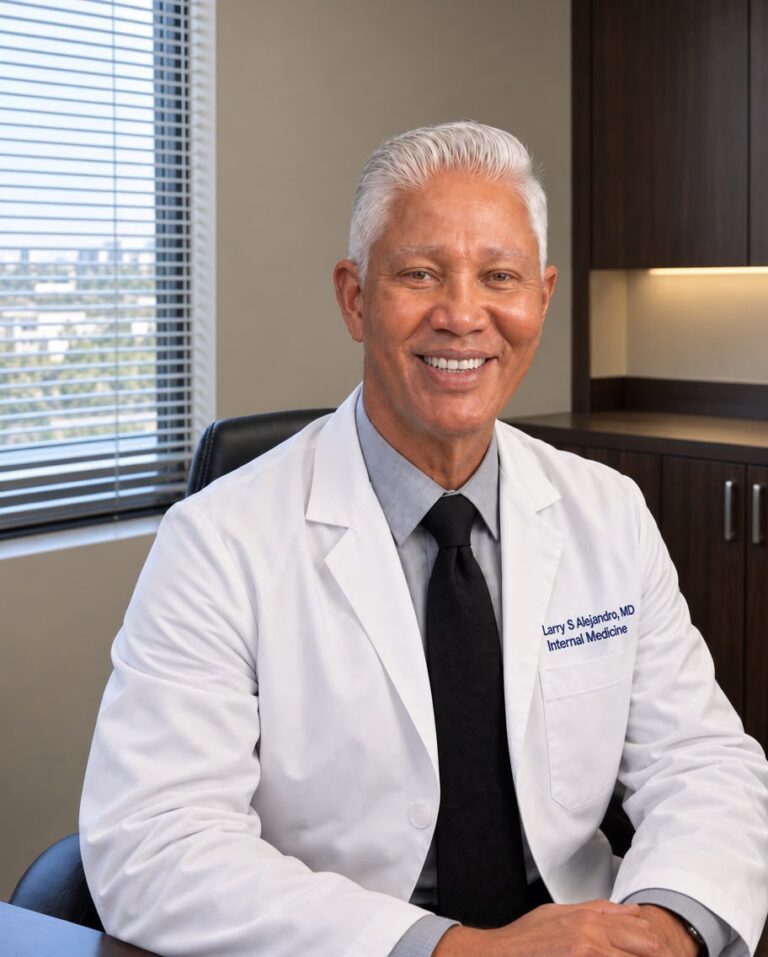
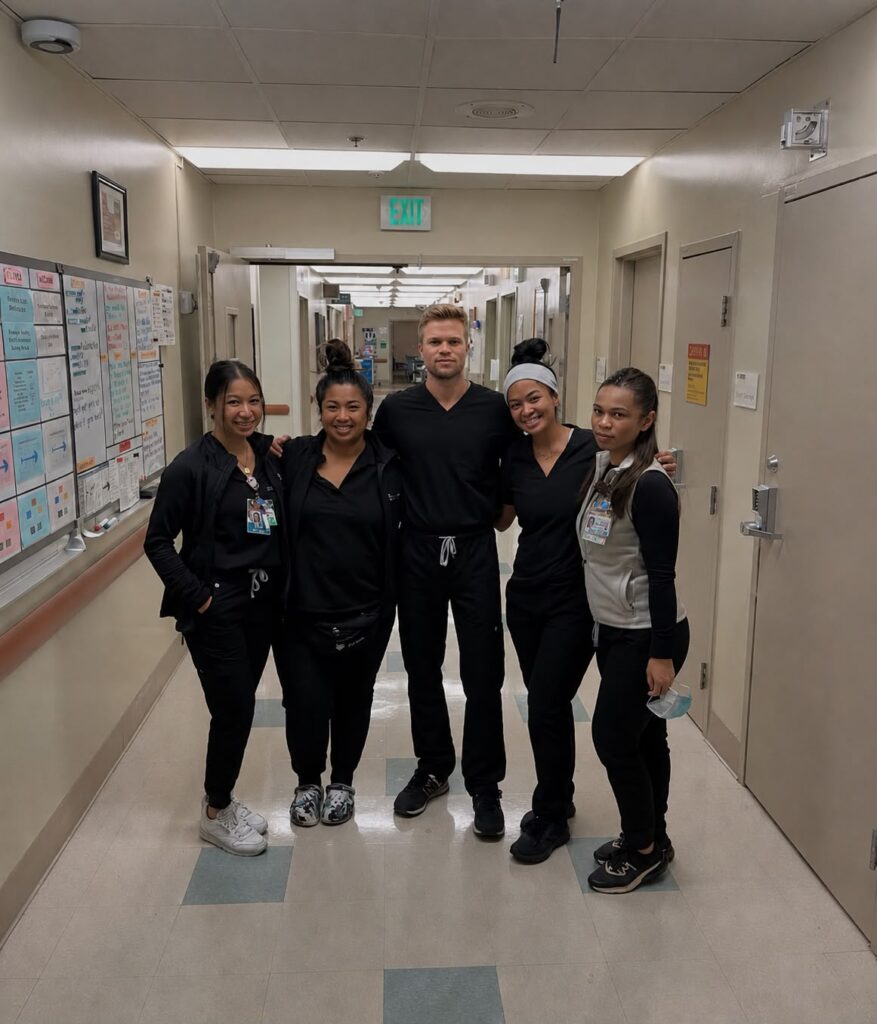
The broader medical team includes two physicians from Chicago, a Milwaukee-based physician, two international physicians, and Karl, creating a diverse group with experience across different healthcare systems.
A Three-Month Intensive Research Program
The three-month assignment has been structured as an intensive period of research, clinical collaboration and evaluation.
The team has focused on several areas with significant implications for cancer patients.
Hodgkin Lymphoma
One major area of interest is immunotherapy for Hodgkin lymphoma. Researchers and physicians are examining how the body’s immune system can be used more effectively to recognize and attack malignant cells, particularly in patients requiring additional treatment options.
Karl’s background in internal medicine and hematologic disease has contributed to discussions surrounding treatment response, disease monitoring and the evolving role of immune-based therapies.
Multiple Myeloma
The team is also examining developments in multiple myeloma treatment, including approaches designed to improve treatment response and management of complex or recurrent disease.
Karl developed an interest in multiple myeloma during his European research work, particularly in the management of patients with advanced disease and complications associated with prolonged treatment.
His research interests have included treatment response, supportive care and the effects of multiple myeloma on bone health and general patient wellbeing.
Bone Metastases
Another important area is cancer that spreads to the bones. Bone metastases can produce significant pain, fractures and other complications, making early recognition and coordinated treatment particularly important.
The research team is examining ways clinical management can be improved while maintaining attention to patients’ quality of life.
Karl’s internal-medicine background has also given him experience with the broader complications associated with advanced cancer, including anemia, infection, metabolic abnormalities and pain.
Mobile Health and Breast Cancer
The program also explores the role of mobile-health technology in breast-cancer care.
Digital tools can allow patients to report symptoms, monitor changes in their condition and remain connected with healthcare professionals between appointments. The objective is to make follow-up more responsive while giving physicians additional information about the patient’s experience outside the hospital.
Karl became interested in digital health through his European research collaborations, particularly the use of remote symptom reporting and digital follow-up for patients receiving continuing cancer care.
An International Medical Team
The composition of the team is one of its defining characteristics.
Two physicians from Chicago bring experience from one of America’s largest medical centers, while a Milwaukee physician contributes knowledge of the local healthcare environment and patient population.
Two additional physicians from outside the United States add international experience, while Karl brings a Scandinavian and European perspective developed through years of medical practice and research collaboration.
The combination allows the physicians to compare different approaches to patient care, clinical research and healthcare delivery.
Dr. Darry Karl: From Stockholm to Milwaukee
Born and raised in Stockholm, Karl developed an interest in medicine through his family.
His late father was a physician in Sweden, while his late mother worked as a nurse. Their lives were both closely connected to healthcare, and their influence played an important role in Karl’s decision to pursue medicine.
After the loss of both parents, Karl and his younger sister continued forward without them.
The experience became part of the foundation of his professional identity. Medicine was not simply a career choice; it represented a family legacy and an opportunity to dedicate his life to helping others.
Education in Stockholm
Karl completed his secondary education in Stockholm at Norra Real, one of the city’s established upper-secondary schools.
His academic interests increasingly centered on biology, chemistry and the natural sciences, subjects that helped prepare him for a career in medicine.
After completing his secondary education, Karl entered Karolinska Institutet in Stockholm to study medicine.
His years at Karolinska provided him with a foundation in clinical medicine while also introducing him to the research-oriented environment surrounding modern medical science.
During his medical education, Karl became particularly interested in internal medicine. He was drawn to the complexity of adult disease and to the challenge of treating patients whose illnesses involved several interconnected medical problems.
Clinical Training and Residency in Stockholm
Following medical school, Karl began his postgraduate clinical training in Stockholm.
He completed his residency training at Capio S:t Göran’s Hospital, where his work in internal medicine exposed him to a broad range of adult medical conditions.
The experience helped establish his foundation in the diagnosis and management of complex disease.
During this period, Karl worked with patients affected by cardiovascular disease, diabetes, infectious illnesses, respiratory conditions and other medical problems.
His growing interest in oncology developed through this broader internal-medicine experience.
Rather than approaching cancer exclusively as a disease of one organ, Karl became interested in the way malignancy affects the entire patient and how cancer treatment can interact with other medical conditions.
Research in the United Kingdom
Karl later continued his postgraduate development in England, where he traveled to King’s College Hospital in London for clinical and research work.
His time in London exposed him to the British healthcare system and to a multidisciplinary approach involving physicians, nurses, researchers and other healthcare professionals.
The UK period became particularly important in the development of his research interests.
Karl participated in work involving hematologic malignancies and cancer-related complications, with particular attention to Hodgkin lymphoma and multiple myeloma.
He also developed an interest in the management of patients with advanced cancer, including complications involving the bones, blood counts, infection and metabolic health.
The experience broadened his understanding of how research findings can be incorporated into everyday clinical practice.
A Growing European Research Portfolio
Karl’s professional development subsequently took him beyond Sweden and the United Kingdom.
His European research and professional travels included Germany, Denmark and the Netherlands, where he participated in short-term clinical collaborations, research meetings and observational projects.
In Germany, his interests included hematologic cancers and treatment-related complications, particularly multiple myeloma and lymphoma.
In Denmark, he followed developments in digital medicine and patient monitoring, areas that later influenced his interest in mobile-health applications for cancer care.
His work in the Netherlands provided further exposure to multidisciplinary cancer programs and approaches to monitoring treatment outcomes and patient quality of life.
Karl’s European travel was generally connected to defined professional assignments rather than permanent relocation. The experience nevertheless allowed him to compare different approaches to diagnosis, treatment, research and patient follow-up.
Diseases and Areas of Research
Although oncology became an increasingly important part of Karl’s professional portfolio, his medical interests have remained broader than cancer.
His clinical and research interests have included:
- Hodgkin lymphoma
- Multiple myeloma
- Breast cancer
- Bone metastases
- Infectious diseases
- Cardiovascular disease
- Diabetes and metabolic disease
He has also maintained an interest in complications that frequently accompany serious illness, including anemia, infection, pain, metabolic abnormalities and treatment-related complications.
This broad internal-medicine perspective has influenced the way Karl approaches cancer research.
For him, cancer care is not simply about targeting malignant cells. It also involves understanding the patient’s overall health, recognizing complications early and maintaining quality of life throughout treatment.
A European Freelance Physician
Rather than building his career around one permanent hospital, Karl developed a more mobile professional model.
As a freelance physician, he has traveled between medical institutions for temporary assignments, clinical work and research collaborations.
His professional experience has extended across Sweden, the United Kingdom, Germany, Denmark and the Netherlands, giving him exposure to different healthcare systems and clinical teams.
His portfolio has included internal medicine, cancer care, infectious disease, cardiovascular medicine and metabolic disease, alongside disease-specific research and clinical projects.
The freelance model has allowed Karl to enter established medical environments for defined periods, work alongside local physicians and contribute his experience before moving on to another assignment.
A Decade of Medicine
Karl’s career now represents roughly a decade of professional medical practice.
During that time, he has developed experience in complex adult medicine while becoming increasingly involved in research-oriented assignments.
His international work has given him an understanding of how physicians in different countries approach diagnosis, treatment and patient care.
That experience is particularly relevant to research programs that depend on collaboration between specialists rather than the work of a single physician.
A Physician Who Keeps His Life Private

Despite the international nature of his career, Karl is described as an introvert who keeps much of his personal life away from social media.
He does not seek attention through a large public profile. His professional identity is centered on medicine, patients and research.
His personal philosophy is expressed in one simple statement:
“I like to put my work first in making people’s lives beautiful and healthy. Coming to the hospital, that’s my social life.”
For Karl, the hospital is more than a workplace. It is where his professional purpose, relationships with colleagues and commitment to patients come together.
Three Months of Collaboration
The Milwaukee assignment has given Karl an opportunity to work alongside physicians from different backgrounds while contributing his European experience to an American research environment.
The three-month period has been marked by intensive collaboration around lymphoma, multiple myeloma, metastatic cancer and digital health.
The broader objective is to identify approaches that can eventually translate research into improved patient care.
Cancer research rarely depends on one discovery or one physician. Progress comes from teams that combine clinical knowledge, research, technology and patient experience.
That is the philosophy behind the Milwaukee collaboration.
Looking Beyond Milwaukee
Karl’s temporary assignment is another chapter in a career that has taken him from Stockholm through medical institutions across Europe and now to the United States.
His career reflects the increasingly international character of modern medicine, where physicians can cross borders to contribute expertise to hospitals and research programs for defined periods.
For the Milwaukee team, the international collaboration creates an opportunity to combine local knowledge with perspectives developed elsewhere.
For Karl, it represents another opportunity to do what has defined his career for the past decade: enter a new medical environment, work alongside other physicians and place his attention where he believes it belongs — on medicine and the people whose lives depend on it.
His philosophy remains simple: put the work first, keep learning, and leave every hospital having made a difference.